When summer turns up the thermostat, even the most carefully curated gift hampers can turn into a sticky mess. Whether you’re sending a corporate thank‑you box to a client in Dubai or preparing a wedding sweet basket for a beach ceremony in Cancun, the challenge is the same: prevent sweet hamper contents from melting in hot climates without breaking the bank or sacrificing style. This guide walks you through the science, the Cookie hampers packaging tricks, and the logistics that keep chocolates, caramels, and delicate pastries cool, crisp, and ready to delight.
Understanding the Heat Challenge
Heat is the silent thief that steals the texture and taste of confectionery. In regions where daytime highs regularly breach 30 °C (86 °F), the interior of a cardboard box can quickly become a sauna for sugary treats. Humidity compounds the problem, turning crisp biscuits into soggy crumbs and encouraging sugar bloom on chocolate surfaces.
The Science Behind Melting
Most sweets are a delicate balance of fats, sugars, and water. Chocolate, for example, begins to soften at around 30 °C, while butter‑based pastries can liquefy just a few degrees higher. When the ambient temperature climbs, the heat energy transfers to the hamper’s contents, raising their internal temperature until they reach their melting points. Think of it as a snowflake landing on a hot skillet—once contact is made, the transformation is inevitable. Understanding these thresholds helps you choose the right defensive measures.
Smart Packing Strategies
Packing isn’t just about cramming items into a box; it’s a strategic dance of insulation, ventilation, and cushioning. The goal is to create a micro‑climate inside the hamper that stays comfortably below the melting point of its most vulnerable items.
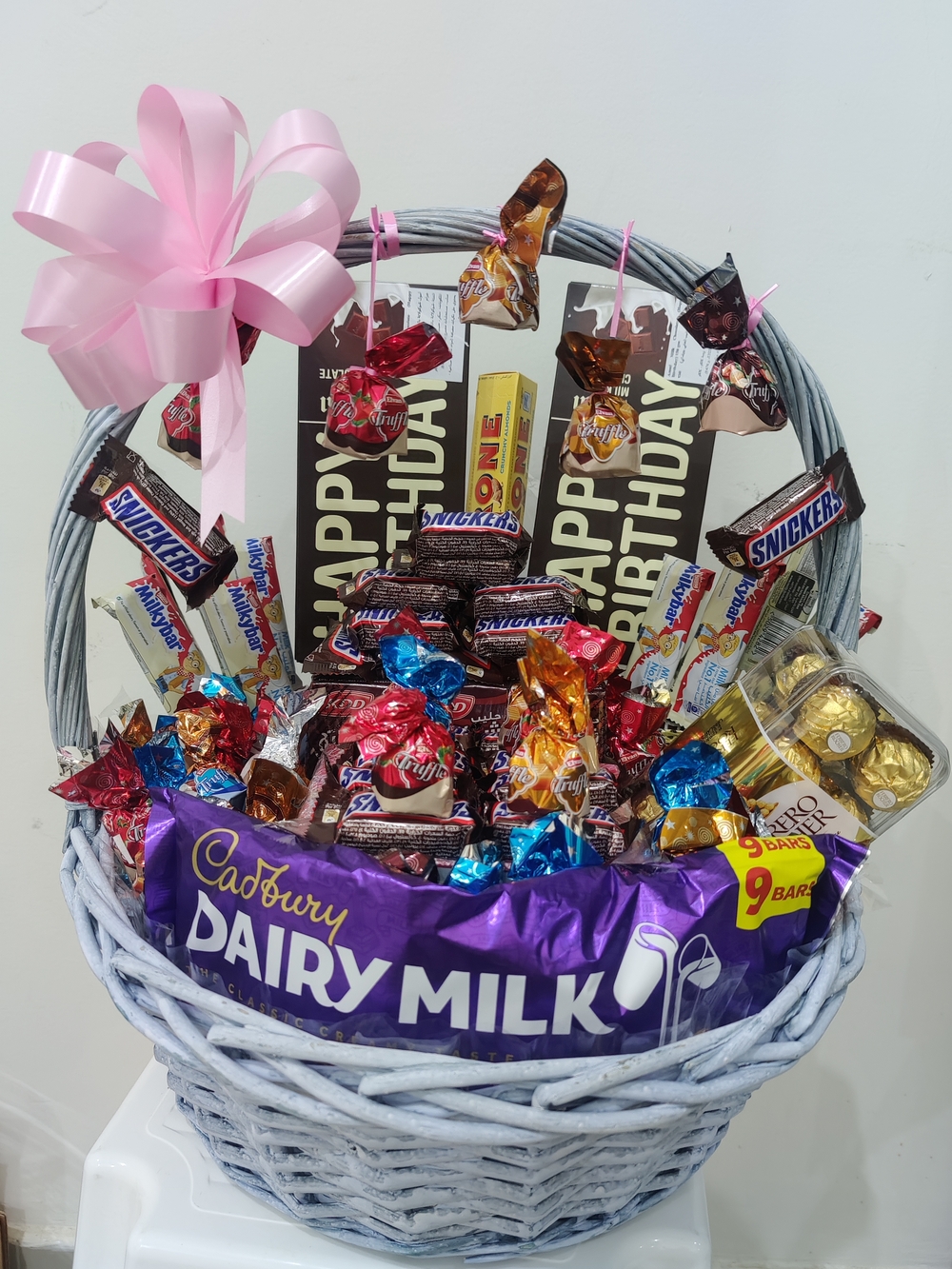
Insulated Containers vs. Simple Boxes
A plain cardboard box is cheap and lightweight, but it offers little resistance to heat. Insulated containers—think double‑wall cooler bags or rigid foam boxes—act like a thermal blanket, slowing the flow of heat into the interior. While they add a few extra dollars to the cost, the peace of mind (and the saved sweets) are often worth it.
**Key packing tips to keep your goodies cool:
- Use a layer of bubble wrap or kraft paper as the first barrier; it adds air pockets that act as natural insulators. Place gel ice packs on all sides of the sweet items, not just on the top. Seal the outer box with foil tape to reflect radiant heat. Add a small vent (a perforated sticker or a zip‑lock pocket) to release trapped moisture without letting hot air rush in. Label the package with “Keep Cool” instructions for the carrier—clear communication can prevent mishandling.
Choosing the Right Materials
Not all cooling aids are created equal, and the right choice depends on the distance, duration, and type of sweets you’re shipping.
Reusable Coolers, Gel Packs, and Dry Ice
- Reusable coolers : Perfect for short‑haul deliveries. Their sturdy walls keep temperatures steady for up to 12 hours when paired with gel packs. Gel packs : Affordable, reusable, and available in various sizes. Freeze them solid the night before packing. Dry ice : The heavyweight champion for long trips or extremely hot zones. It sublimates at –78 °C (–109 °F), pulling heat away from the hamper. Use it sparingly and follow safety guidelines—dry ice can be a bit of a drama queen if not handled correctly.
Choosing the appropriate material is like picking the right coat for a winter walk: you wouldn’t wear a light jacket in a blizzard, and you don’t want a heavyweight parka in a mild spring day.
Transport and Storage Best Practices
Even the best‑packed hamper can fall victim https://www.instapaper.com/read/1958715348 to a careless delivery route. Timing, handling, and storage all play pivotal roles in keeping sweets intact.
Timing Is Everything
Do you schedule the delivery for the hottest part of the day? If the answer is “yes,” you’ve just handed the heat a winning ticket. Aim for early‑morning or late‑evening drops when ambient temperatures dip. Transport tips to consider: Choose a climate‑controlled vehicle whenever possible; many courier services offer “temperature‑controlled” options for an extra fee. Communicate the delivery window to the recipient so they can store the hamper in a cool place immediately upon arrival. Avoid stacking heavy items** on top of the sweet hamper; pressure can crush delicate pastries and break the insulation seal.A Sweet Success Story
Last summer, a boutique bakery in Miami was tasked with sending a luxury chocolate hamper to a client’s wedding in Muscat, Oman—a city known for its scorching desert heat. The baker recalled an old family tip: “Wrap the chocolates in parchment, then tuck them into a small insulated cooler, and top it with two frozen gel packs.” The hamper arrived, still glossy and firm, earning the bride a heartfelt thank‑you note that read, “Your sweets survived the desert better than our sunscreen!”
> “Quality is never an accident; it is always the result of intelligent effort.” – John Ruskin
This anecdote underscores that with a little foresight, you can prevent sweet hamper contents from melting in hot climates even when the odds seem stacked against you.
Making Your Selection Count
Now that you’ve explored the why and the how, it’s time to put the plan into action. Start by assessing the climate of the destination, then match your packaging and cooling methods accordingly. Remember, the goal isn’t just to ship a box of treats; it’s to deliver an experience that stays fresh, flavorful, and memorable.
A well‑executed hamper can turn a simple gesture into a lasting impression—much like a perfectly timed punchline that lands just right. So, before you hit “send,” double‑check your insulation layers, confirm the delivery window, and give the carrier a friendly reminder to keep the box cool.
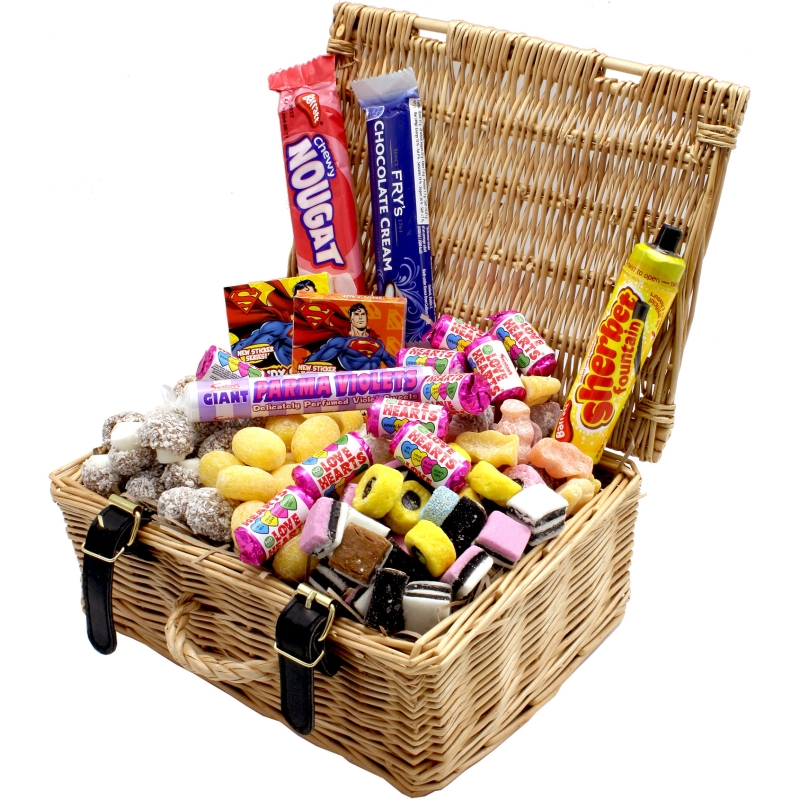
Ready to make your next sweet shipment a cool success? Explore our range of insulated packaging solutions and discover how easy it is to prevent sweet hamper contents from melting in hot climates—your clients (and their taste buds) will thank you.